
How to Prepare Your Home for Resale

Preparing a home for resale starts with a precise baseline: inventory current condition, costs, and trade-offs, then aligning price and timeline with buyer expectations. Curb appeal matters; a welcoming exterior and cohesive lighting set the tone. Quick fixes and decluttering yield immediate impact, while neutral staging reveals space and flow. Clear photos taken in natural light showcase potential. Practical, budget-friendly updates minimize disruption while maximizing perceived value—and that balance invites the next step, if the seller is ready to proceed.
Assess Your Home’s Market-Ready Baseline
Assessing the market-ready baseline begins with a precise inventory of current conditions and trade-offs. The analysis identifies neutral pricing strategies and potential market timing opportunities, balancing cost, speed, and risk. A detached evaluation records structural quality, appliances, and comparable sales, establishing objective benchmarks. This pragmatic framework guides decisions, aligning home readiness with targeted buyer expectations while preserving owner autonomy and financial flexibility. Concision sustains momentum.
Boost Curb Appeal and First Impressions
Boosting curb appeal and making a strong first impression starts at the exterior threshold, where a buyer forms initial judgments that influence the entire viewing experience. Curb appeal hinges on thoughtful maintenance, clear pathways, and inviting outdoor details. Attention to lighting, landscaping, and façade cohesiveness reinforces favorable first impressions, supports perceived value, and guides buyers toward deeper engagement without overpromising.
Tackle Quick Fixes for Highest ROI
A practical approach to maximizing return on investment begins with identifying and addressing quick fixes that deliver noticeable improvements without extensive remodeling. Focused tasks yield tangible gains: decluttering routines streamline spaces, fresh paint color choices brighten rooms, and minor repairs prevent buyer objections. This disciplined execution preserves budget freedom while enhancing perceived value, enabling confident negotiations and faster interest, with minimal disruption to daily life.
Stage and Modernize for Buyer Images and Tours
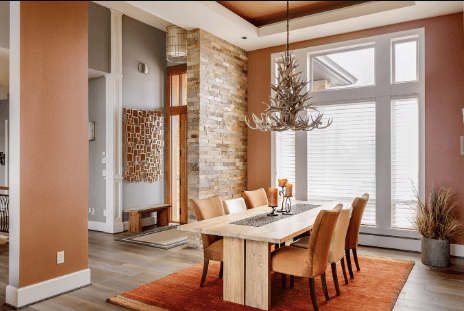
Stage and Modernize for Buyer Images and Tours: Properties benefit from calibrated staging aesthetics that highlight space, light, and flow. Focus on clean lines, balanced decor, and minimal personalization to maximize appeal in photos and during tours. Invest in strategic updates and neutral tones. Clear, natural photography highlights should showcase resale potential, not clutter, inviting freedom-loving buyers to imagine living there.
Frequently Asked Questions
How Long Before Listing Should I Start Renovations?
Answer: Pre list renovation should begin 6–12 weeks before listing; ROI focused timing matters. This pragmatic window balances project momentum and market timing, enabling deliberate upgrades that align with freedom-seeking sellers’ goals while maximizing resale value.
See also:The Role of Crypto in Digital Transformation
Do Minor Repairs Affect Appraisal Values Materially?
Minor repairs can have a noticeable appraisal impact, though not always dramatic; thorough, documented fixes tend to support value, while cosmetic touch-ups may yield modest gains. The prudent approach weighs cost versus potential, aligning with a freedom-loving, pragmatic mindset.
Should I Paint Walls Before Professional Photos or After Staging?
Subtly, one might choose paint color decisions before photos and refine staging timing afterward, ensuring cohesion. The sequence permits brighter visuals during shoots, while staging timing optimizes space flow, appealing to buyers seeking freedom through curated, pragmatic aesthetics.
How Can I Budget for Home Prepping Costs Effectively?
The approach to budgeting for home prepping costs emphasizes disciplined cost tracking and awareness of budgeting pitfalls. By documenting every expense, the process remains pragmatic, persuasive, and freedom-oriented, guiding decisions without excess, while preserving flexibility for inevitable adjustments.
Which Rooms Yield the Best ROI for Resale?
To maximize ROI, bedrooms upgrades and kitchen refreshes yield strongest returns; the rooms matter most as buyers notice comfort and function. In measured terms, the report highlights strategic investments, pragmatically balanced with budget discipline for freedom-seeking sellers.
Conclusion
In the end, the home emerges as a well-tuned instrument, each room humming with deliberate intent. The baseline is precise, costs mapped, and expectations aligned, so buyers hear harmony rather than uncertainty. Curb appeal acts as the opening chord, quick fixes supply the sturdy rhythm, and staging provides a clean, resonant frame for vision. Photos and tours become lucid demonstrations of possibility, not guesswork. The result: a market-ready vessel that confidently invites buyers to move in and dream.