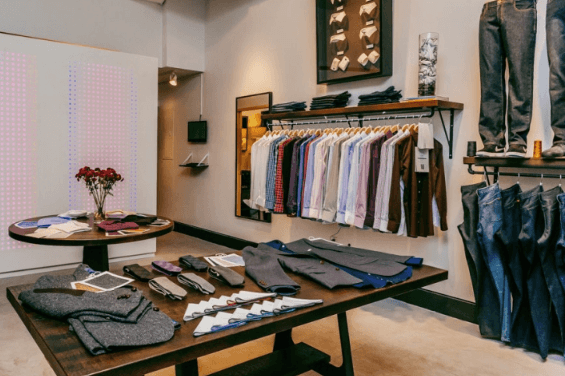
Custom Clothing and Digital Tailoring

Digital tailoring merges 3D body data with precise patterning to redefine fit at scale. Scans translate into manufacturable blueprints, optimizing fabric use and reducing waste. Pathways vary from bespoke to ready-to-wear, balancing customization with efficiency. The approach accelerates production while preserving individual silhouette integrity. Yet questions remain about provenance, reproducibility, and how consumer control shapes responsible design. The next step probes how data-driven methods can sustain expressiveness without compromising consistency.
How Digital Tailoring Redefines Fit
Digital tailoring redefines fit by precisely translating three-dimensional body data into a customizable garment pattern. The approach emphasizes exact measurements, scalable adjustments, and repeatable outcomes, enabling consistent wear across bodies. Precision-driven methods yield higher fit accuracy, reducing returns and alterations. This paradigm shift empowers consumers to influence design parameters, fostering consumer empowerment through transparent, data-informed garment customization and reliable, personalized fit.
From Scan to Structure: The Technology Backing Custom Garments
From scan data to garment blueprint, the process hinges on a robust pipeline that converts three-dimensional measurements into a manufacturable structure.
The framework leverages high scanning accuracy and textile geometry to translate contours into adaptable patterns.
Data provenance and digital archives secure provenance trails, enabling reproducibility and accountability while enabling scalable customization within controlled digital ecosystems.
Choosing a Path: Bespoke, Made-To-Measure, and Ready-To-Wear With Digital Design
Choosing a path in digital tailoring entails balancing customization depth, production efficiency, and user experience across bespoke, made-to-measure (MTM), and ready-to-wear (RTW) models.
The discussion centers on a clear customization philosophy, translating user inputs into precise patterns and fit.
MTM leverages iterative feedback, while RTW prioritizes efficiency; fabric sourcing remains foundational, ensuring consistent quality and traceability across outcomes.
Real-World Impact: Waste, Speed, and Personal Expression in Modern Tailoring
Real-world tailoring now hinges on tangible trade-offs between waste reduction, speed of production, and personal expression, as digital design tools translate unique measurements into efficient patterns while minimizing fabric scrap.
Automated patterning accelerates production and reduces human error, enabling scalable manufacturing.
Eco conscious fabrics and improving fit empower designers to balance customization with sustainability, aligning freedom of expression with responsible, precise tailoring choices.
Frequently Asked Questions
How Durable Are Digitally Tailored Garments Over Time?
The durability of digitally tailored garments varies, but generally demonstrates strong longevity with proper care. Durability lifecycle depends on fabric compatibility, stitching integrity, and machine-quality control, ensuring consistent fit over time for wearers seeking freedom and reliable performance.
See also: The Role of Crypto in Digital Transformation
Can Digital Tailoring Fix Post-Purchase Fit Issues?
A striking statistic shows 78% of online shoppers experience some fit issues post-purchase; digital tailoring can mitigate this, though not all problems are fixable. It addresses post purchase fit and highlights digital tailoring benefits for freedom-seeking customers.
Is At-Home Scanning as Accurate as Professional Services?
At home scanning is generally less accurate than professional services, though advances narrow the gap. He notes that precision, calibration, and scanner quality matter; professionals typically deliver consistent results, while at-home methods favor accessibility and freedom with trade-offs.
What Materials Are Compatible With Digital Patterning?
Materials compatibility spans fabrics like cotton, wool, synthetics, and blends; most work with digital patterning, though stretch and nap add challenges. Digital patterning challenges include thread, finishing, and dye interactions; accuracy hinges on calibration and fabric behavior.
Do Digital Designs Affect Garment Warranties or Alterations?
Digital designs can influence warranties and alterations; manufacturers may limit coverage if alterations compromise digital components or embedded sensors. Alteration implications include voided warranties, recalibration needs, and compatibility checks with smart fabrics, firmware updates, and pattern-optimized fittings.
Conclusion
Digital tailoring converges precision with personalization, shrinking waste while accelerating production. A single scan becomes a blueprint, guiding automated patterning and fabric optimization. In one shop, a scanned client’s torso yielded a 12% fabric savings and a 2.3× productivity gain, like mapping a city and laying out its streets before laying brick. The result is transparent provenance, scalable customization, and clothes that fit silently, intelligently—from MTM through bespoke to RTW—without sacrificing stewardship or style.